Alice by Heart
Where one sees madness, another sees inspiration.
My love for Alice by Heart started in 2019 when I first heard the soundtrack, but my imagination finally came to life when I was given the opportunity to direct and choreograph the musical at Oklahoma State in the Spring of 2025.
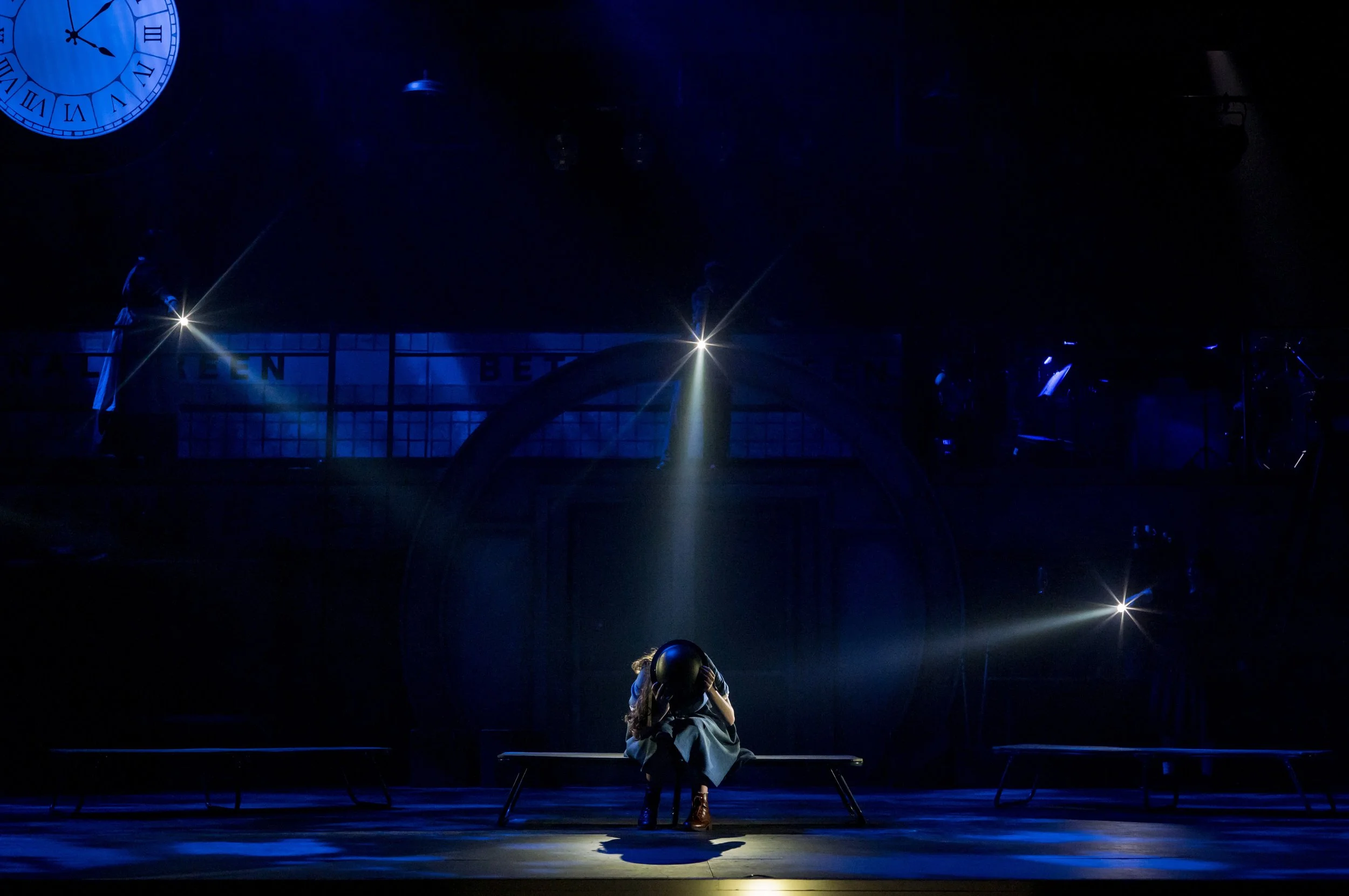
When I was deciding what the two worlds in Alice by Heart should look like, I gravitated towards two different collections of illustrations. The first are the original illustrations for Lewis Carrol’s Alice in Wonderland created by John Tenniel, and the second are the Alice and Wonderland illustrations by Salvador Dali. The Tenniel illustrations are charming, humorous, detailed, playful, and full of wonder and fantasy. These are conventional images you would find in a children’s book and how Alice would have seen the story as a child.
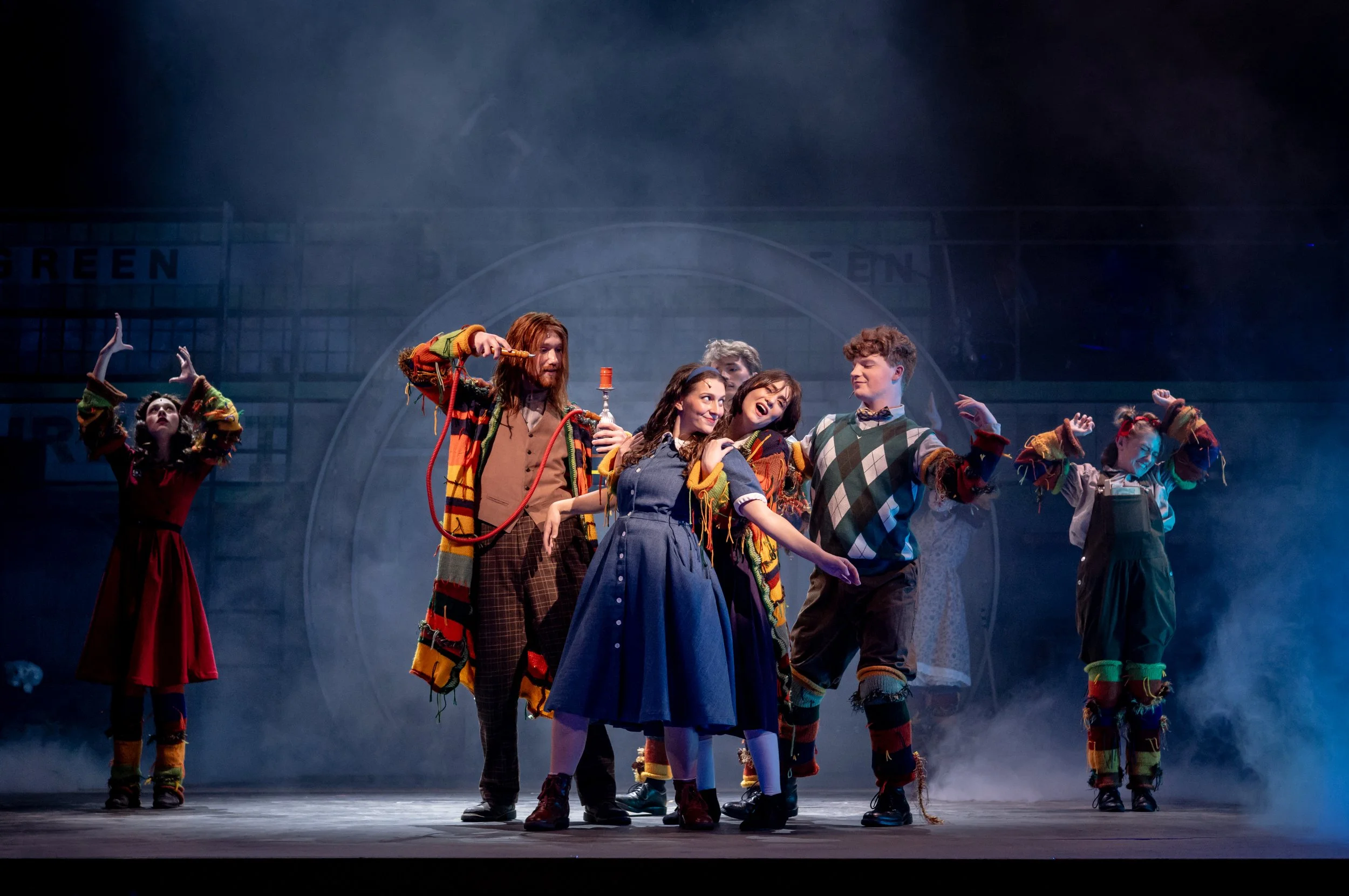
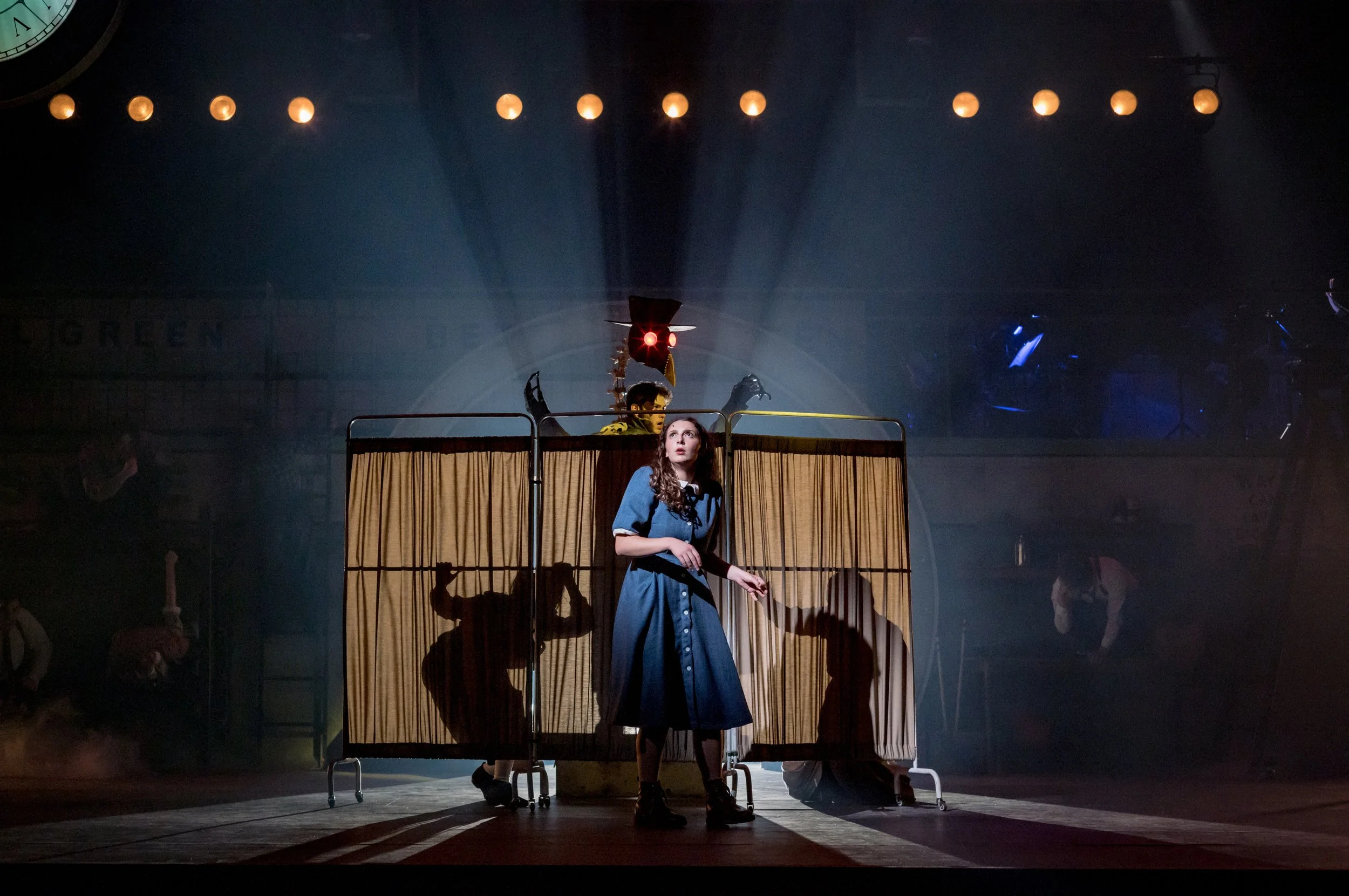
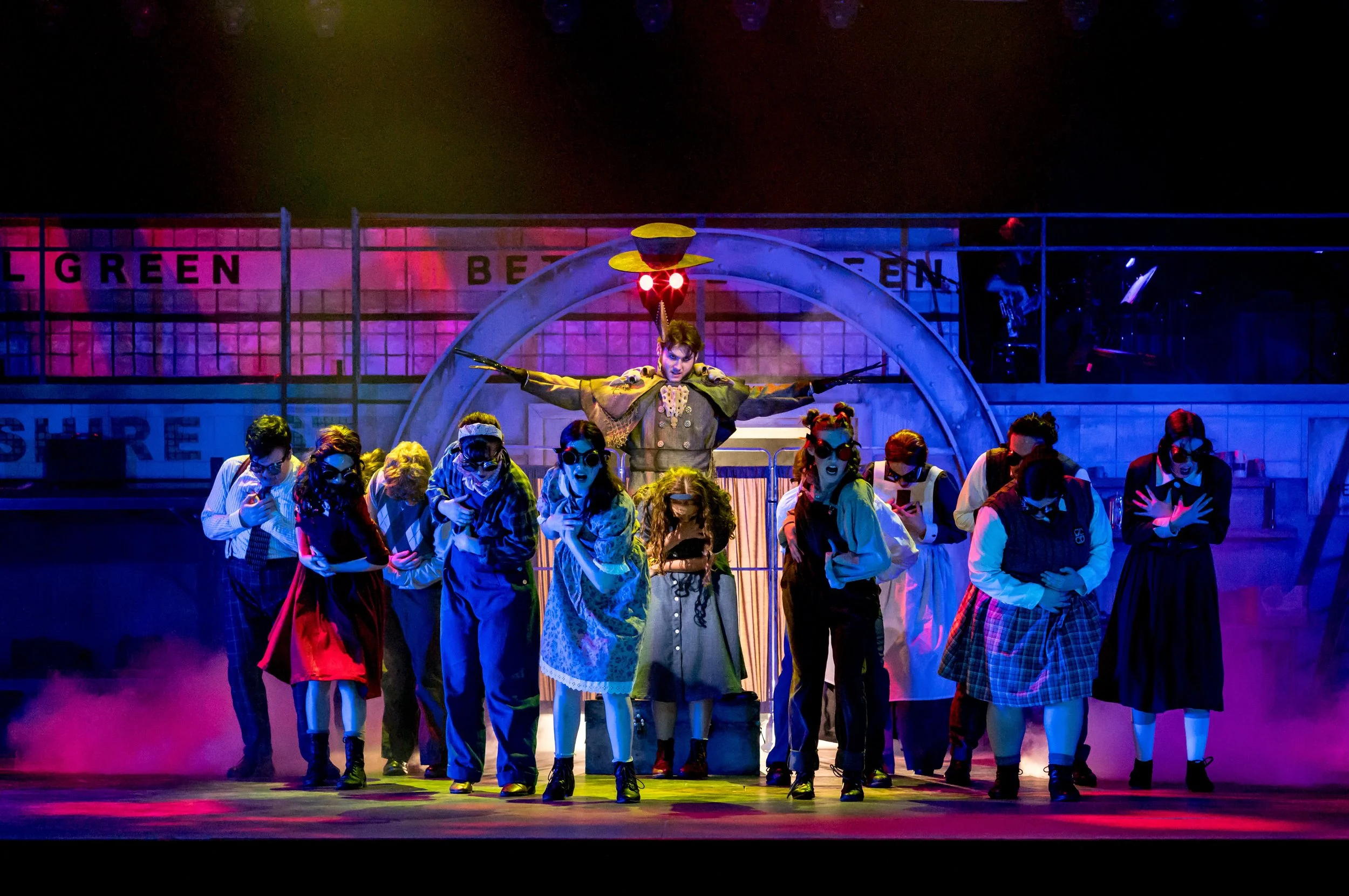
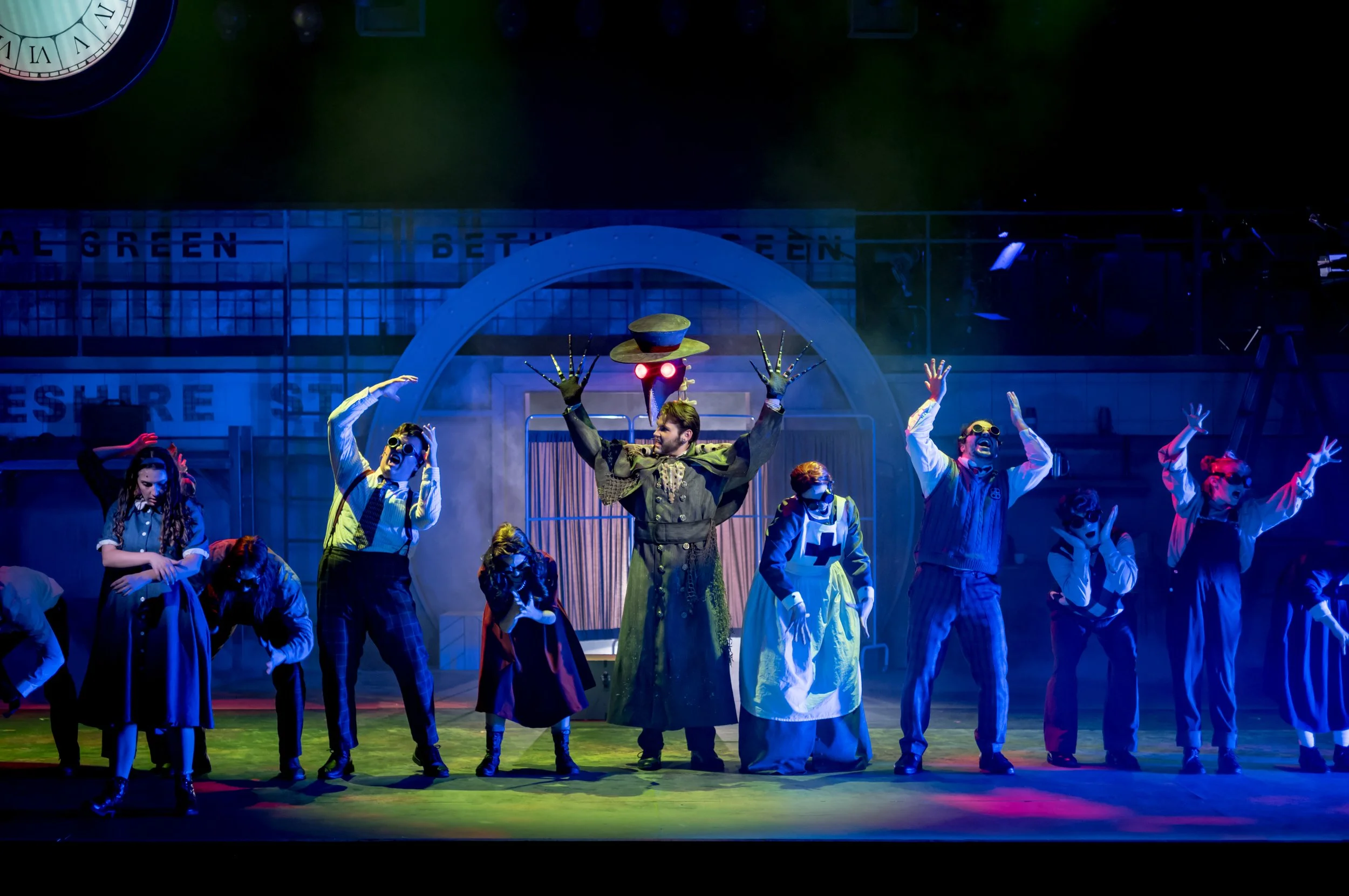
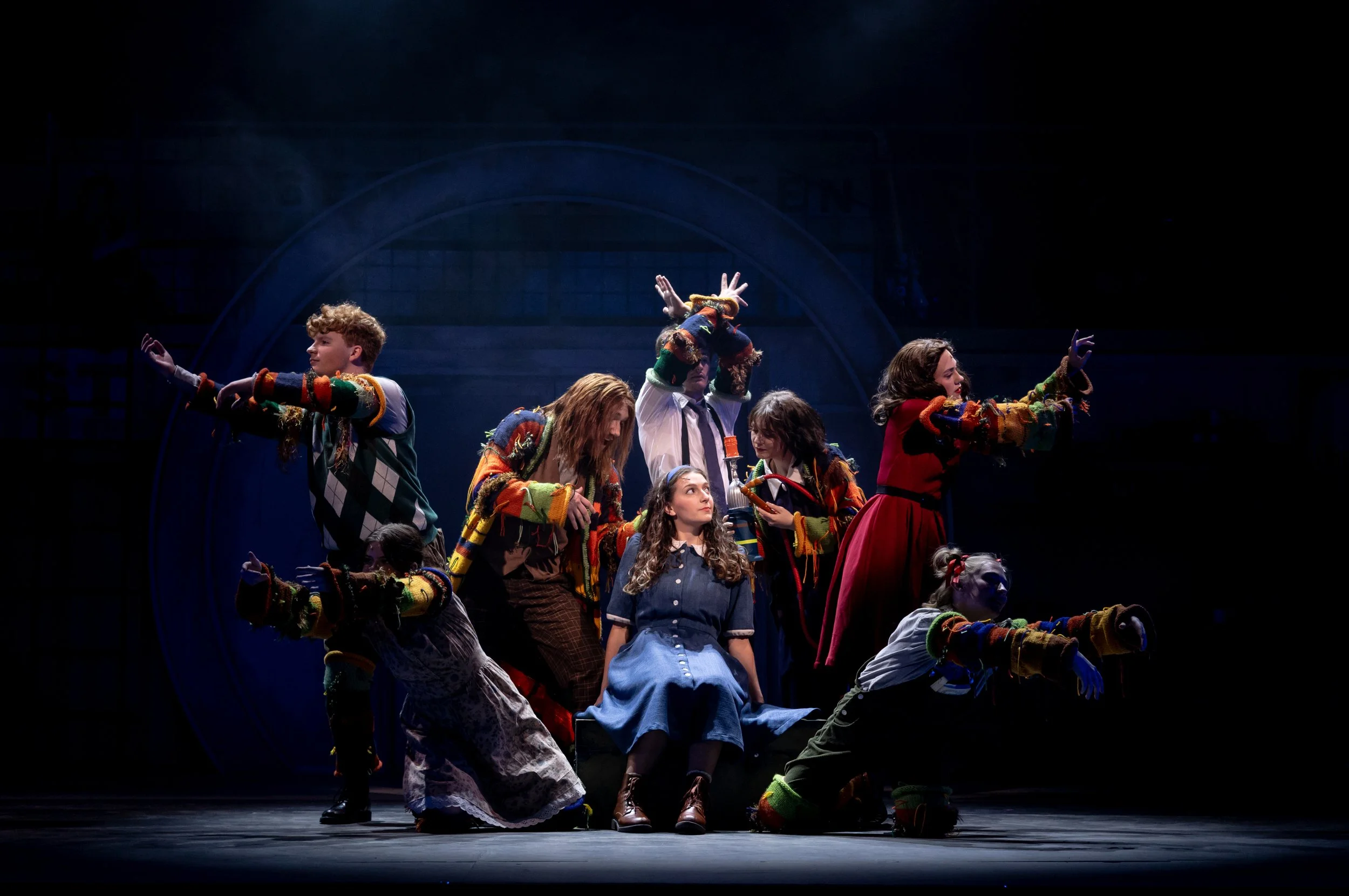
As Alice ages, her memory of the Tenniel illustrations blurs, and the detailed images began to be replaced by Dali’s. These represent our Wonderland in Alice by Heart. These are not for the weak of heart and are reminiscent of a nightmare or a bad acid trip instead of a children’s book, but with Alice growing up at the height of London Blitz, this is how she would create Wonderland, full of distortion and confusion. I find them stunning and enjoyed studying these while listening to the score of the musical. The music seemed to elevate them, bringing them to life. Our Wonderland became heavily influenced by surrealism, living somewhere in the balance of the rational and a dream, where there is beauty in the strange, bizarre, and unexpected.
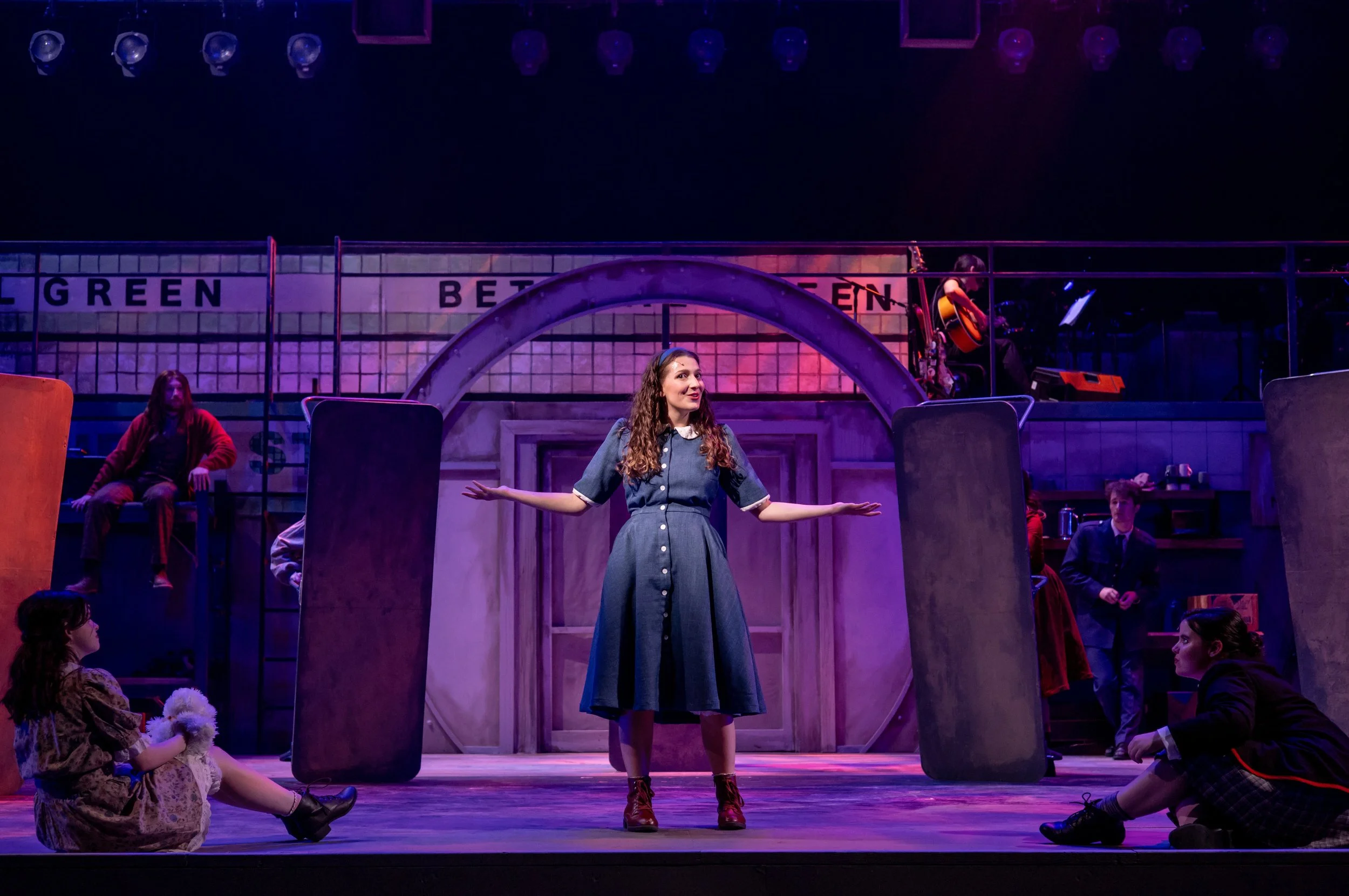
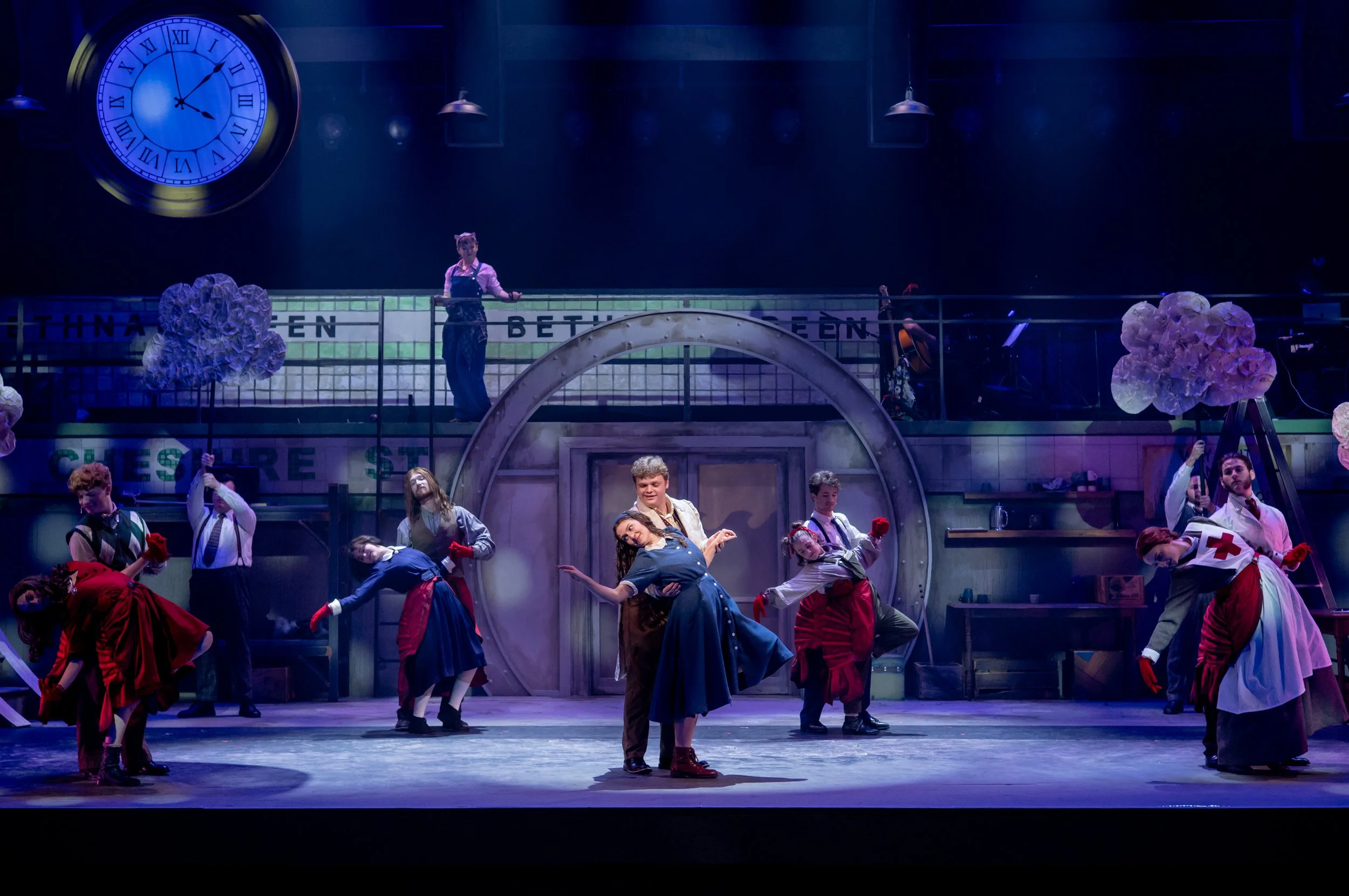
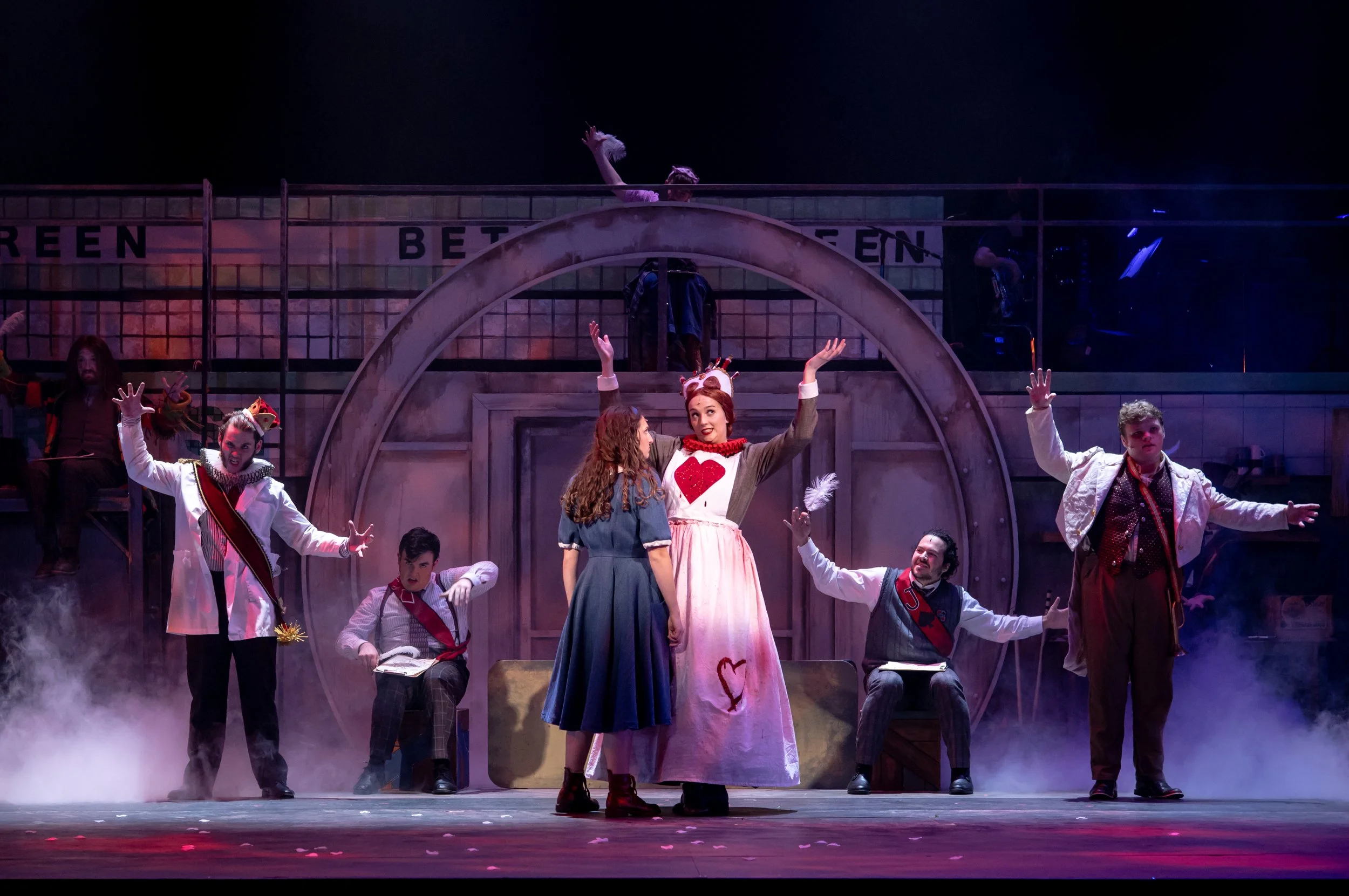
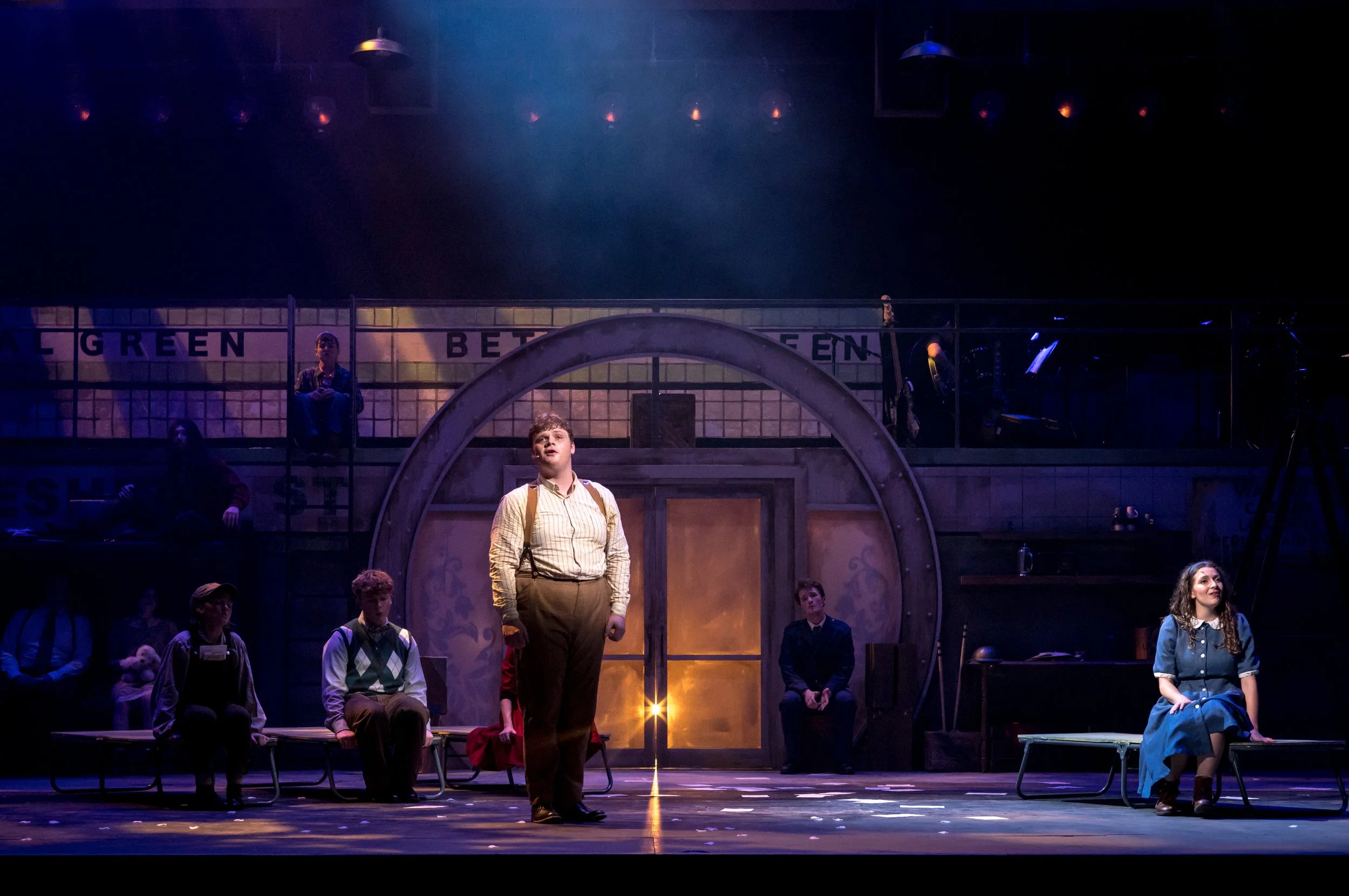
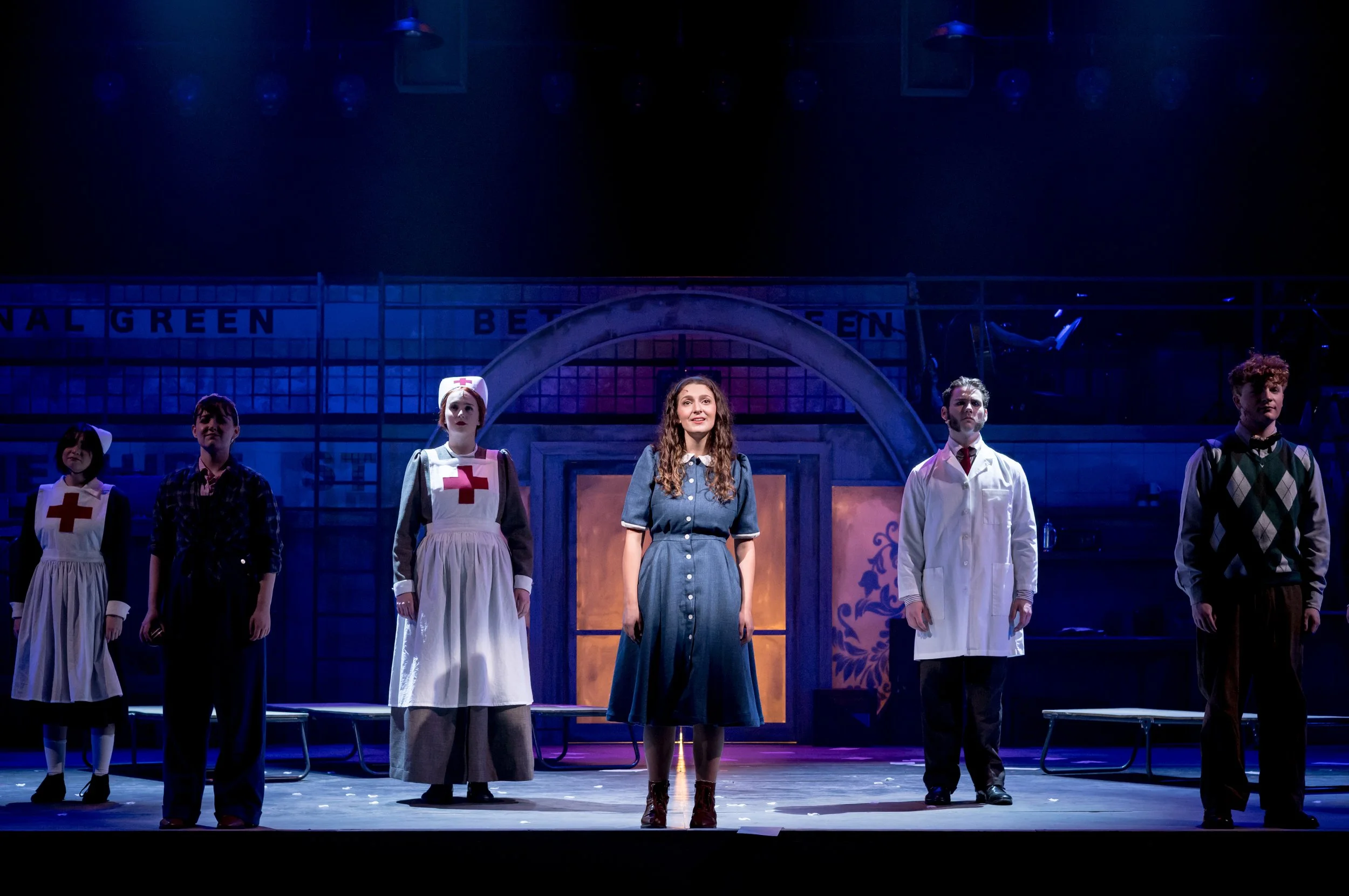
I always enjoy bringing an audience into the show from the moment the house opens so I can set the tone for the show before it even starts, so naturally I designed a 15-minute preshow for the audience to be entertained by while they took to their seats. This was meant to mimic real life during the London Blitz in WW2. Characters filtered in every few minutes and started their evening routine. These included the nurse checking beds and rations, a doctor looking after a patient and reading test results, the welfare officer preparing tea, and a bohemian sauntering in before heading to his bunk, lighting a pipe, and reading philosophy. Sounds of a tube station helped anchor the audience in the setting, and I finished the preshow with the characters listening to a message delivered by a very convincing Winston Churchill.
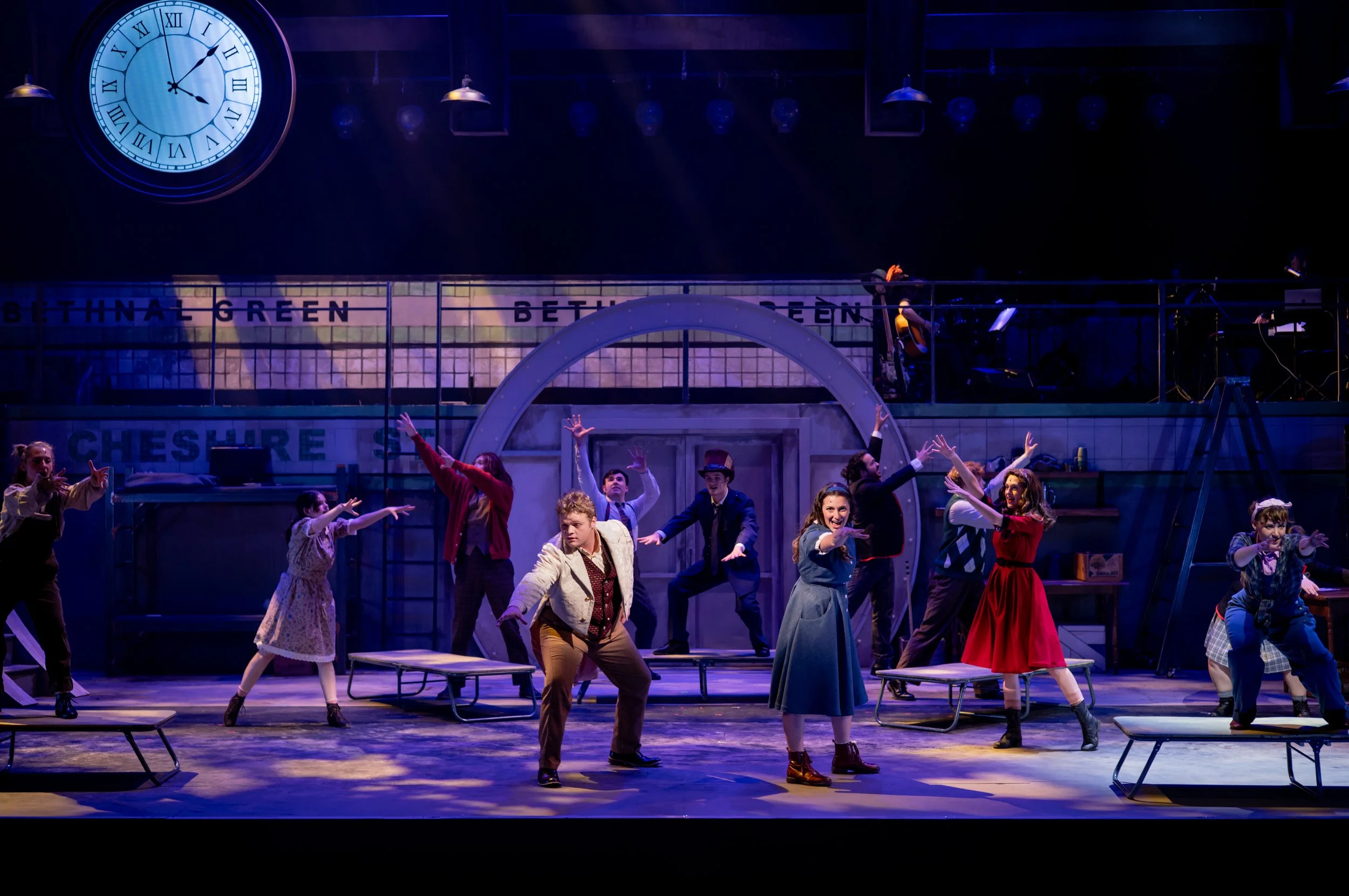
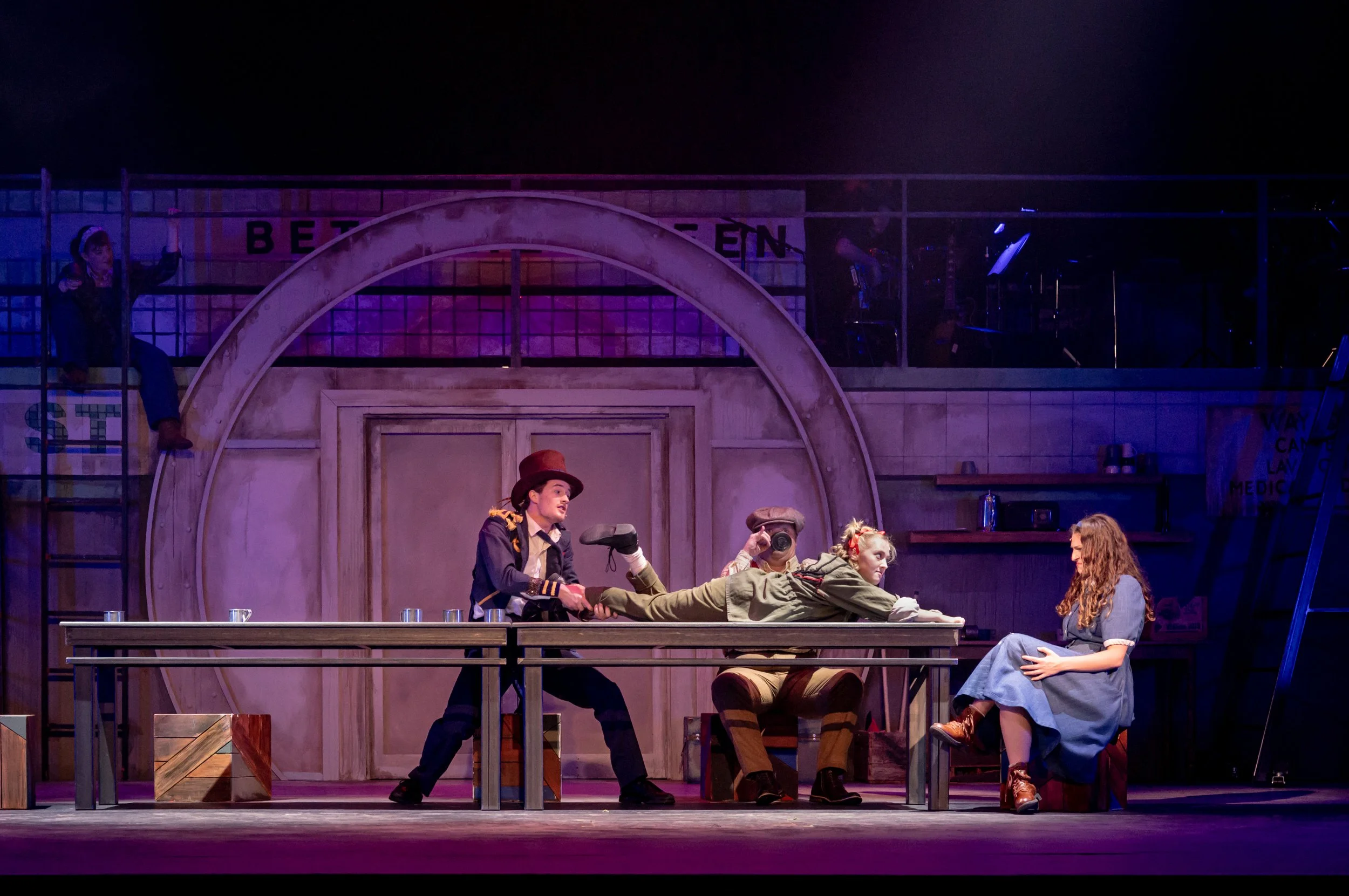
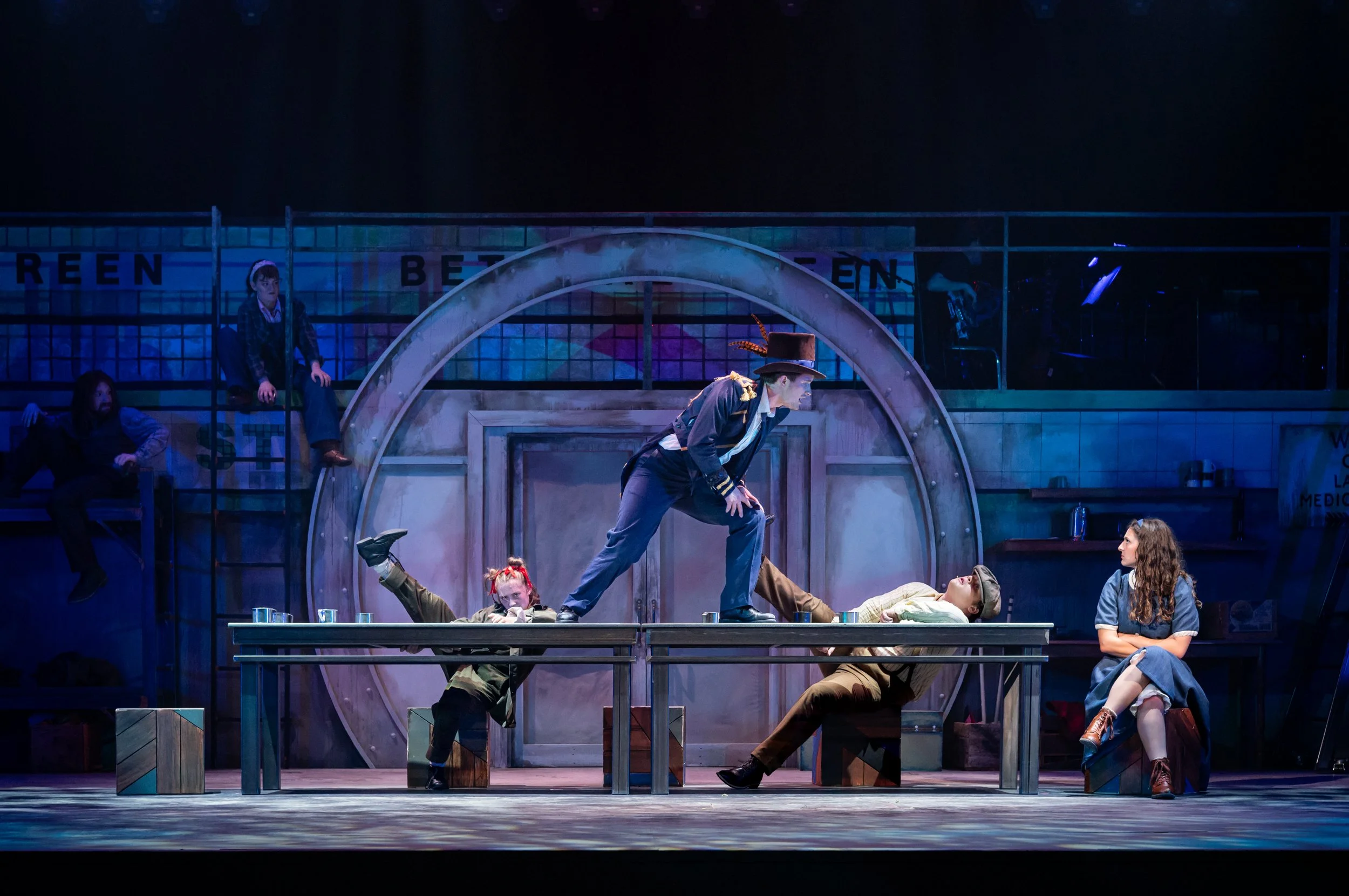
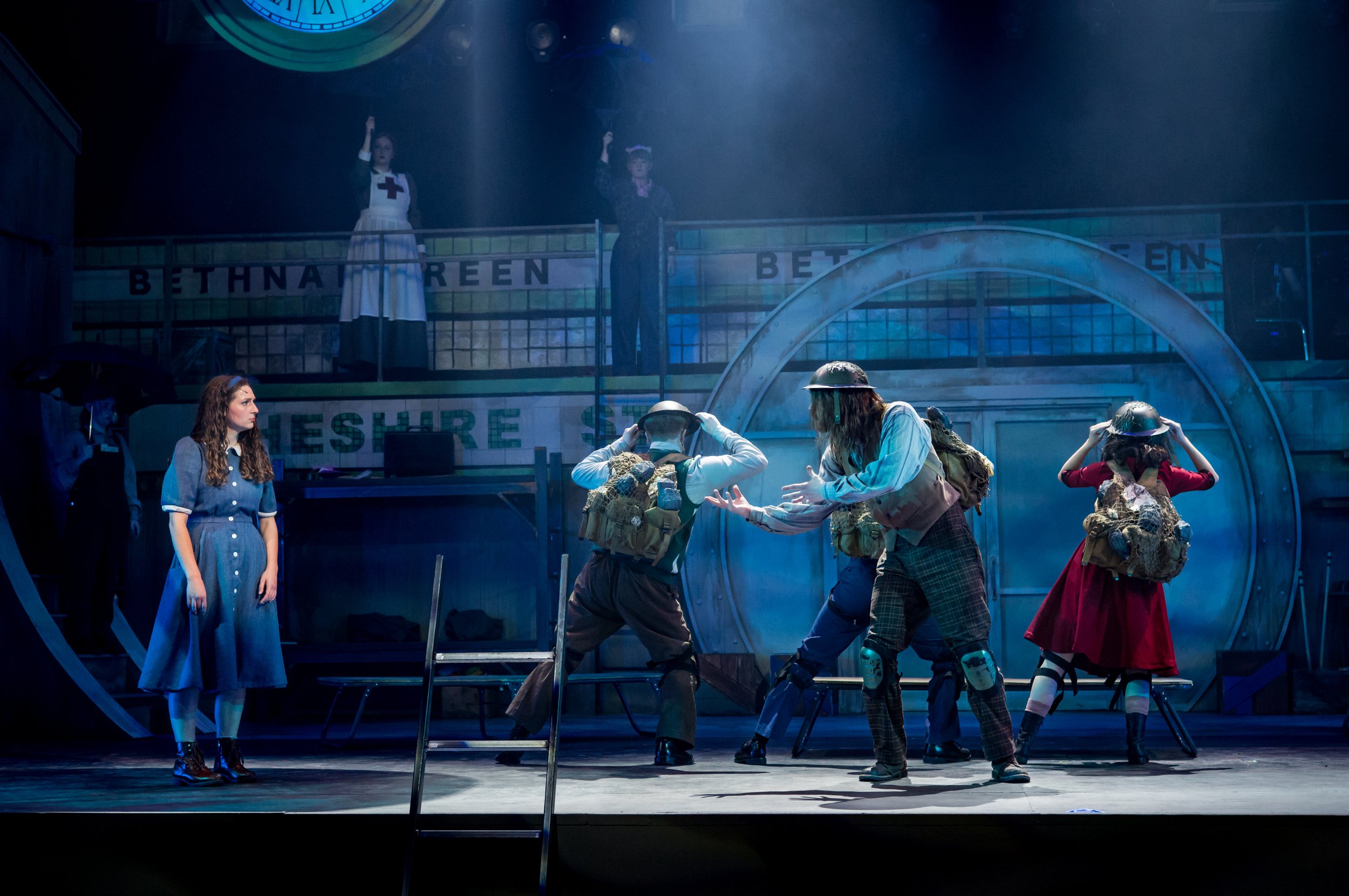
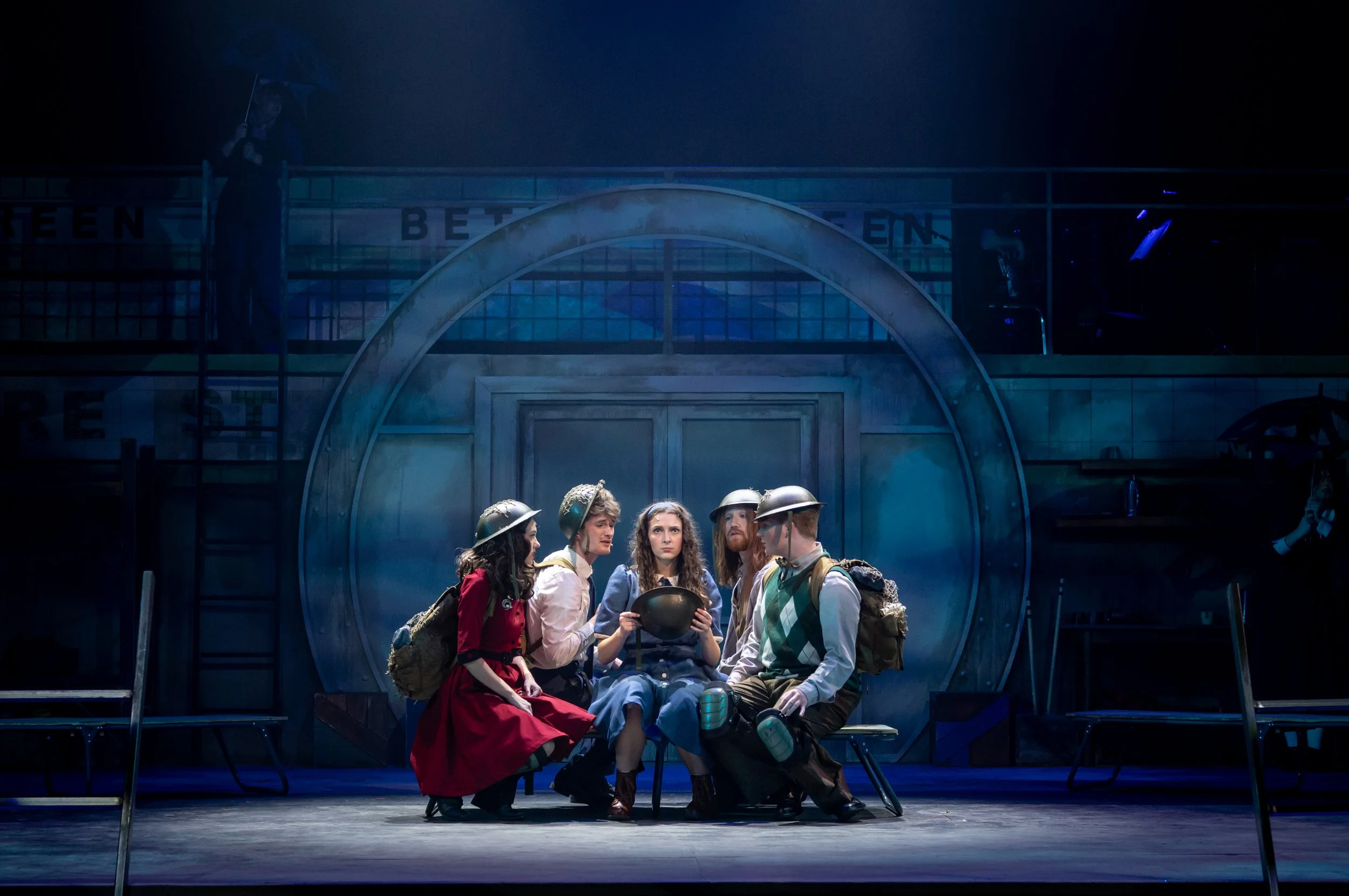
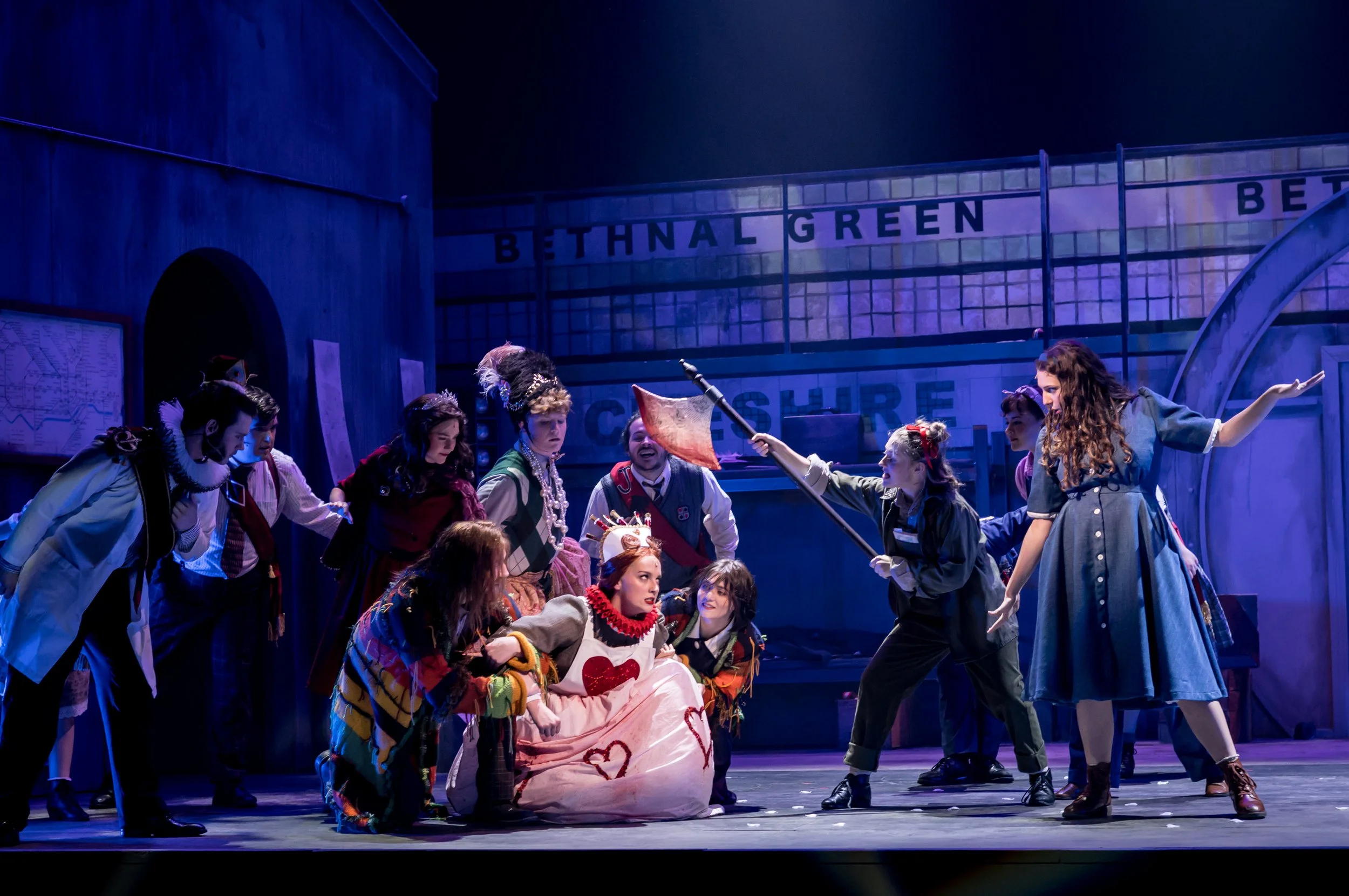
I wanted the tube station to feel like a brutalist playground, with characters popping out from unexpected places. I had characters enter through the aisles as people flooded into the tube station in the opening sequence. I used a trap door to make seven-person caterpillar appear out of a luggage trunk. But my personal favorite was leaving the orchestra pit open so that it acted as the subway tracks. In one scene I had feathery flamingos popping out of the pit for croquet, and in another I had the mock turtles emerging from the pit, like soldiers climbing out of trenches with large metal ladders.
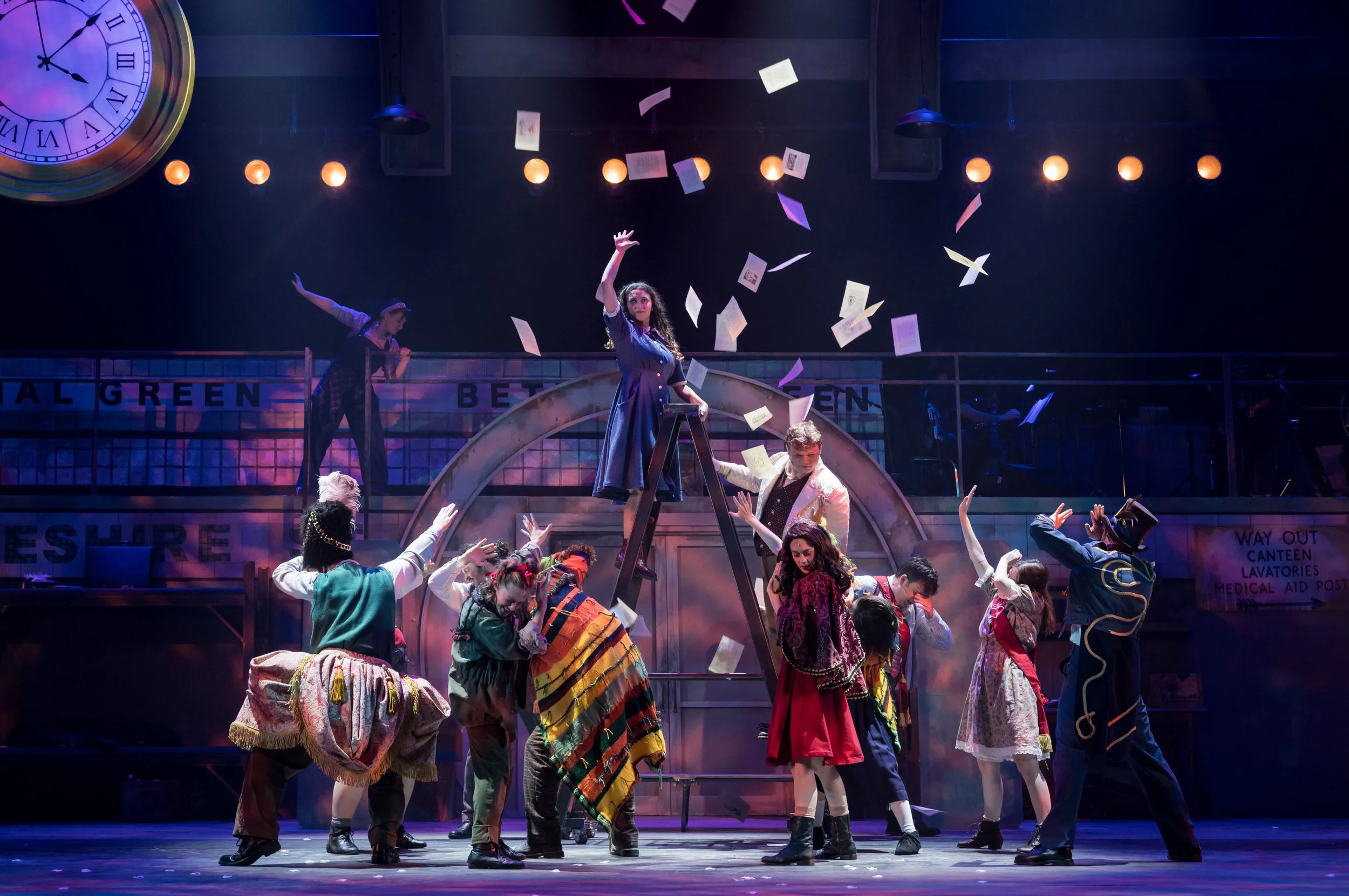
Since the sketches and pages were an inspiration, I wanted to use them as much as possible. I specifically chose pages from the Tenniel sketches, since those would be ones from Alice’s childhood. For example, the inside of the trunk that the caterpillars emerged from was full of the page from “Advice from the Caterpillar.” The Duchess’s truncheon had pages from “The Pig and the Pepper.” The clouds by the sea had the “Lobster Quadrille,” while the backpacks of the mock turtles had pages from “A Mock Turtle’s Story.” Best of all was the axe that the Dormouse wields, which was covered in pages from “The Trial,” along with a streak of red paint around its edge.
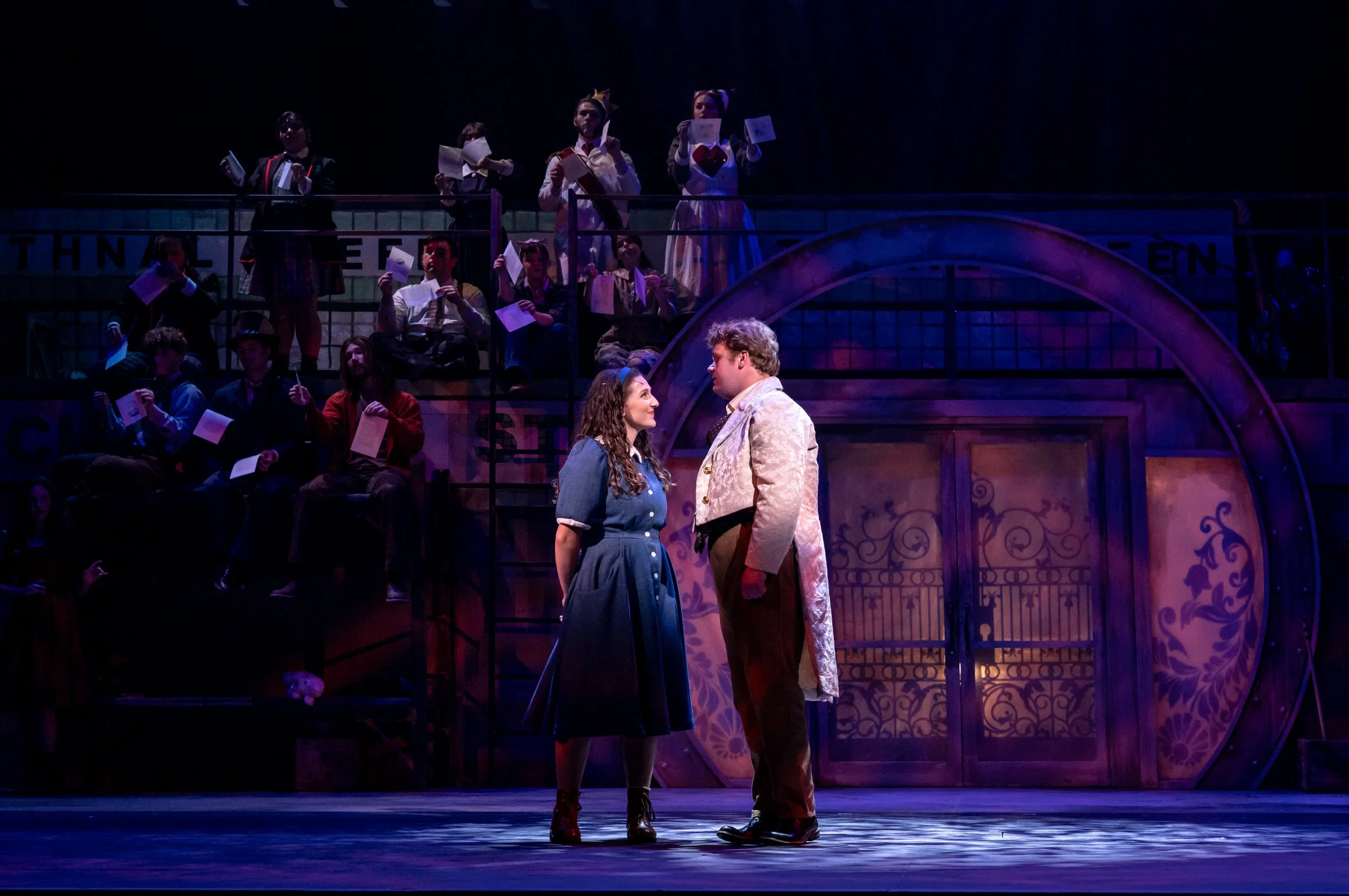
In “Summer Blooms” each Wonderland character hands Alice a page from the chapter that they are connected to. This signified the connection that all the characters shared after living through grief together, and when they handed Alice their pages, they were closing their own chapters.
Oklahoma State University
2025
You can view the entire album of this production’s photos by clicking here.
Credits
Director and Choreographer – Liz Bealko
Music Director – Eric Frei
Scenic Designer – Robin Vest
Costume Designer – Jason Estala
Lighting Designer – Fabian Garcia
Sound Designer – Harley Roche
Production Manager – Marley Giggey
Photography – John Beier